09-30
2021
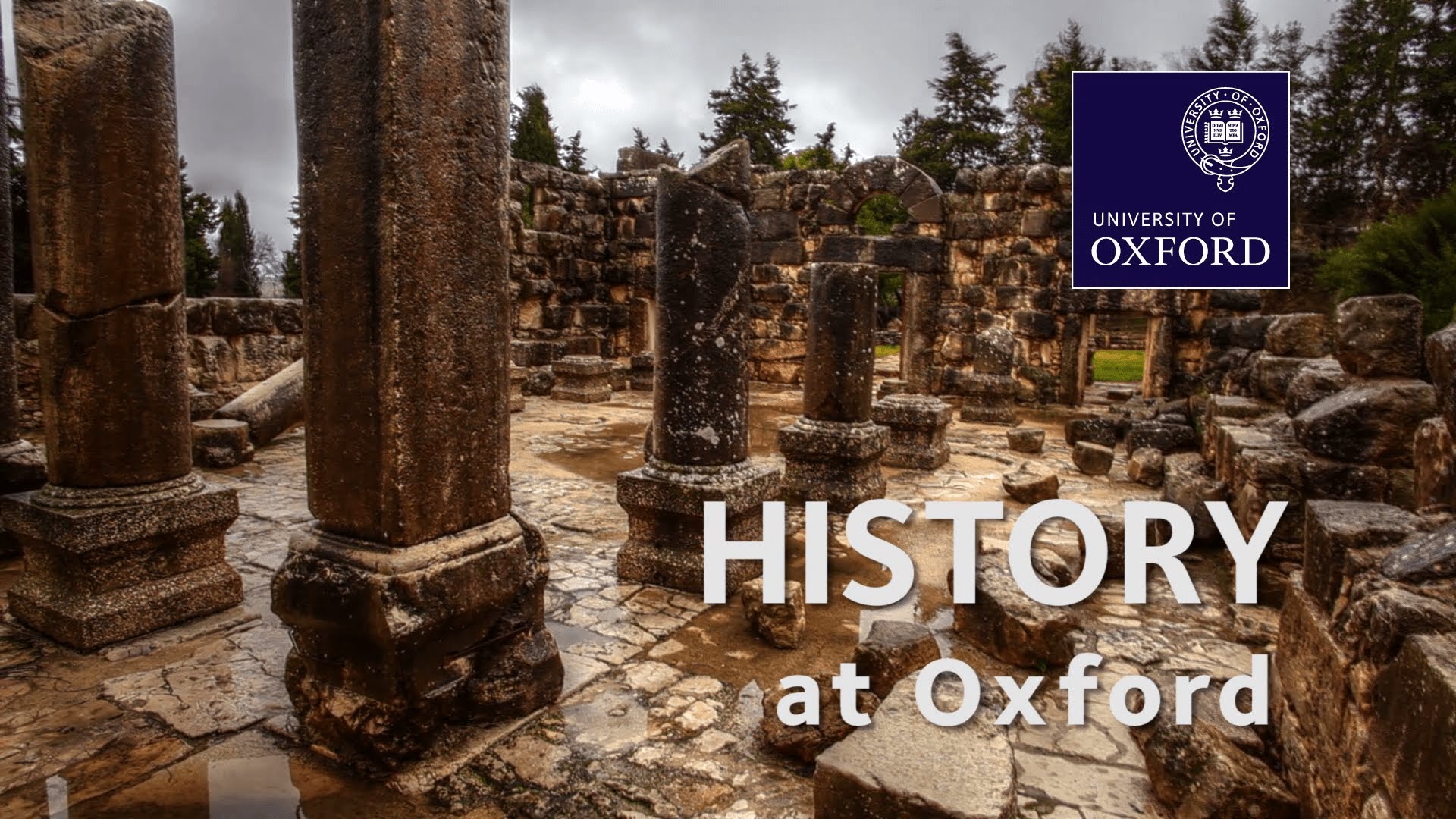
옥스퍼드 역사학 인터뷰: 사료 한 장이 전부
옥스퍼드 역사학 인터뷰는 한 시간 전에 받은 사료를 중심으로 흘러가고 자기소개서는 거의 묻지 않았습니다. 실제 질문과, 띄어난 지원자들 사이에서 무엇이 차이를 만들었는지 전합니다.
- 조회수(10677)
Personal Statement(자기소개서)에 쓴 내용은 문장 단위로 외웠는데, 정작 인터뷰실에서는 처음 보는 사료 한 장을 받고 그것만 붙들고 이야기했다는 후기가 적지 않습니다. 준비한 답변 원고가 통째로 무용지물이 되는 순간이죠.
옥스퍼드 역사학(History)에 지원했던 한 학생의 경험을 그대로 옛깁니다.
빠르게 흘러갔지만 즐거웠던 시간
제 인터뷰는 상당히 빠른 속도로 진행됐고, 끝났을 때는 머리가 완전히 소진된 느낌이었습니다.
그런데 솔직히 말하면 즐거웠습니다. 이렇게 엄밀하고 진지한 자리에서 역사를 논하는 일 자체에 대체하기 어려운 만족감이 있었습니다. 머리를 많이 쓰는 건 사실이지만요.
이 점은 미리 알아 둘 만합니다. 인터뷰에서 공포만이 아니라 흥분을 느꾈다면 그건 좋은 신호입니다. 이 학문의 일상적인 형태가 자신에게 맞는다는 뜻이니까요.
인터뷰 한 시간 전에 받은 사료
인터뷰는 하나의 텍스트를 중심으로 짜여 있었고, 그 글은 인터뷰 한 시간쯤 전에 제 손에 주어졌습니다. 19세기 러시아의 가정폭력에 관한 자료였습니다.
이후의 논의는 거의 전부 그 사료에 머물렀고, 제 자기소개서에 관한 이야기는 거의 없었습니다.
메시지는 분명합니다. 사료를 놓고 나누는 그 대화가 곳 인터뷰 자체이고, 자기소개서만 준비해서는 부족합니다.
그 한 시간을 어떻게 쓸까요? 제 제안은 이렉습니다. 한 번은 통독하며 사실관계를 잡고, 두 번째에는 "이 문서는 누가 누구에게, 왜 썼는가"를 묻고, 세 번째에는 수상하거나 모순되는 지점 두세 곳을 찾아 표시하는 것. 방에 들어가면 손에 패가 있게 됩니다.
질문이 실제로 파고든 지점
질문은 여러 각도에서 파고들었습니다.
이 사료는 당시의 성 역할에 대해 무엇을 드러내는가?
폭력은 역사적으로 어떻게 정의되었고, 오늘날과는 무엇이 다른가?
이 사료는 어디에서 편향되었을 수 있고, 그 편향을 어떻게 극복해 보겠는가?
전부 그 시대를 아느냐를 묻는 게 아닙니다. 문서를 비판적으로 읽고 역사가처럼 생각하는 일을 봅니다.
결국 차이를 만든 것
시험되는 것은 두 가지 자질이었습니다. 역사에 대한 분석적·창의적 사고, 그리고 그것에 대한 진짜 열정.
솔직한 부분을 말하면, 지원자 중에 띄어나게 분석적인 사람은 아주 많습니다. 그래서 그것만으로는 구분되지 않습니다.
차이를 만든 것은 진짜 열정이었습니다. 1년쯤의 깊은 몰입에서 나오는 종류의 것, 책을 읽은 정도가 아니라 그 안의 생각을 진짜로 씨음질해 본 사람의 열정.
한 튜터의 표현을 빌리면, 어느 정도의 "덕후스러움(nerdiness)"은 환영받습니다.
이 말을 준비하는 분들께 남기고 싶습니다. 완벽한 지원자로 자신을 포장할 필요는 없습니다. 필요한 건 정말로 알고 싶은 역사 질문 한두 개를 찾고, 1년을 들여 그걸 생각하는 일입니다.